2009年11月19日

給寶寶最溫柔的擁抱

與12年前相比,雖然整體人口成長7%,但出生嬰兒數下降45%。嬰幼兒紙尿褲市場量雖呈趨緩,然而2007-2008年市場值卻逆勢成長3.4%,主要原因來自於中高價位嬰幼兒紙尿褲成長帶動整體市場值成長。這個市場趨勢意謂著少子化的結果,讓媽媽越來越捨得在寶寶身上花錢。

2009年全新上市幫寶適特級棉柔系列希望提供最優質紙尿褲,來滿足媽媽們對寶寶的愛,讓寶寶能夠在媽媽的溫柔擁抱中快樂成長。

Insight
在不景氣的時代,媽媽們不只是考慮價格,而是希望把錢花在有價值的優質商品上。尤其是家中的小寶貝,在能力負擔得起的範圍內,媽媽們總是希望給他最好的。「當我了解紙尿褲不是只有透氣及吸收力,穿得舒適與否對寶寶也很重要時,我不會太在意價格了!」

Strategy
現代媽媽們通常身兼數職,照顧寶寶更是讓她們分身乏術。如何在媽媽們的忙碌生活中,適時提醒她們選擇紙尿褲的重要性,進而讓媽媽們了解幫寶適特級棉柔的柔軟性能夠給寶寶像媽媽一般的溫柔擁抱。

相較於其他品牌提供的背部彈性腰圍,這次全新幫寶適特級棉柔系列提供了2倍彈性側腰圍,可以有效舒緩寶寶腹部的壓力,讓寶寶不會因為喝奶後、活動時,因尿布勒住腹部,而感到不適。

因此在媒體操作上,幫寶適充分利用2倍彈性側腰圍來突顯產品優勢,希望能成功吸引媽媽的注意力。

Activation
Pre-launch
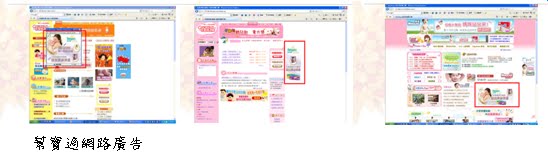
在4-5月份,幫寶適透過新手媽媽們最常使用的媒體- 親子網站和育兒雜誌- 招募一萬名媽媽來試用幫寶適特級棉柔系列,並將試用結果以及寶寶照片張貼在網站上,與其他媽媽們的分享,並為幫寶適新品建立口碑。

Launch
在6月份新品上市,除了透過電視廣告,告訴媽媽們新品幫寶適的2 倍彈力側腰圍以及特級棉柔的產品優勢之外,在網路上延續Pre-launch活動,讓媽媽們從這些試用幫寶適的寶寶們當中票選出人氣王,還可以成為九月份媽咪寶貝的封面人物。除了九月份的封面人物,七、八月份也會刊登媽媽們心得摘要分享,讓媽媽們的心得可以讓更多其他媽媽們知道。跨媒體的結合可以讓整個上市活動的力量更一致。

在6月份新品上市時,幫寶適也在媽咪寶貝封面製作了特殊設計,利用”寶寶肚肚不緊繃的小秘密”引發媽媽們的好奇心,當媽媽展開內頁後,會對”2倍彈力側腰圍”留下深刻印象;此外,雜誌內頁使用的尿布材質與幫寶適特級棉柔相同,可以讓媽媽們直接體驗幫寶適頂級柔軟度。

Captivation
原本預計招募一萬名媽媽們試用,結果超過五萬名媽媽報名,最後寄出兩萬份試用品。試用的媽媽們有183名上網分享試用心得,並且有288篇的回覆討論,達到157.33%回應率。


>詳全文

2009年10月30日

感覺啵啵啵啵啵啵…棒! 只有可口可樂!

可口可樂一直成功的將歡樂的感覺帶給消費者,但從世界各國如:南非、土耳其、日本…等地得知,消費者覺得可口可樂和清涼暢快感的連結度越來越低,而在台灣也有相同狀況發生。因此,可口可樂今年的溝通主軸將強化在可口可樂的本質上。

Insight:
此波目標對象設定在15-39全體。針對此目標族群,他們享受在炎炎夏日的時刻,大口喝下又冰又涼的飲料,因此,此次溝通策略會自消費者在喝下冰涼暢快的可口可樂後,身體產生的反應作為發想。傳達出可樂讓身體強烈感受到終極冰涼暢快的感覺,酷暢到全身打冷筍不自覺發出Brrrrr的聲音。

Challenge:
客戶這次選擇運用南非的創意,其創意點是透過南非人對某些事有讚賞時發出彈舌音Brrrr…,來傳達喝下冰涼暢快的可口可樂後所產生的反應,只是這樣的聲音對台灣的目標對象來說較無法產生共鳴點,因此客戶面臨到兩個階段性的挑戰:


Strategy:
給目標族群一個完整的“啵…棒!”體驗旅程


Activation:


Captivation:
此波活動期間從5月~9月份,透過星傳IntenTrack系統檢視活動執行結果(目前資料僅至八月份),如下列圖示說明:

由上兩張圖顯示,可口可樂一直是消費者最喜歡的品牌Top1,但加入其次喜歡的品牌後,黑松沙士的產品偏好度和可樂就不分軒輊,但是在可口可樂這波活動上市時品牌偏好度卻有明顯提升的現象

從各媒體檢視:
TVC: 南非的創意廣告,在網路上造成網友的熱烈討論,主動將TVC上傳在網路或自己的部落格上與網友分享
除了電視節目置入之外,網友主動上傳在YouTube與網友 分享。洪都拉斯在上康熙來了通告時,也主動在節目內模 仿“啵…”的廣告片段

Yahoo!首頁抖動式的創意廣告,露出當日創造出13,424,102的高瀏覽量
整波活動在網路上共創造327篇主動討論聲量, 連電台主持人在主持現場活動後,也主動將活 動畫面及內容寫在自己的部落格上與網友分享
網路活動的影片上傳總計242支,創造近期內影片上傳最多的數量

高雄候車亭首創的創意表現,吸引自由時報主動報導


>詳全文

2009年10月20日

Social Media 社群媒體的潛力

最近在與客戶的會議上或公司內有越來越多的同事討論著Facebook、噗浪…等社群網路,中午時間也常常有朋友在網站上開農場、養寵物、或到其他朋友的農場偷點植物,當然也有人玩些小遊戲藉以更了解自己,或點杯有品牌的飲料送給朋友或送顆心…。以上這些都是最新流行的社群網路活動,你已經開始玩了嗎?

『社群媒體』簡單來說,是一個大眾可以自由發表看法,也可以自由評論的媒體平台。因為這種媒體的特性是互動的、是交流的,就跟人際間的關係一樣,透過這樣的互動方式因而產生社交圈、有了社交行為,所以就用 ”Social” 這個英文單字來稱『社群媒體』。而其對購買行為的影響,簡單分解來說,當消費者對某個產品產生興趣,會先透過網路搜尋相關的資訊或比較,而後購買,然後會再將此購買經驗或使用這個產品的評價透過部落格或討論區…等方式在網路上與他人分享,而這些文章或評語又會成為另一些網友的資料搜尋來源,如此一來不斷地循環,便形成了網路口碑效益,變成 一個循環而非單項的媒體交流平台。根據Nielsen的調查顯示,在台灣地區, 12-65歲的民眾使用部落格或微網誌去發表自己的意見,或去取得別人的想法已有接近七百萬人, 且日漸擴大中!

社群媒體可謂為最新的媒體形式,且已漸漸成為最受歡迎的媒體。它是一個消費者主宰的平台,包含消費者對品牌、消費者對消費者的雙向對話,所以不管你是否參與,網友們都會藉由這樣的一個平台來討論你的品牌。但也由於是消費者主動發聲的,所以其中的訊息多被認為是不帶廣告意味的,也因此對產品的影響力有時甚至比一般媒體廣告更為消費者所信賴。
根據最新Nielsen的調查顯示:
56%的消費者表示看到網路廣告會對產品的認知有影響(包含好感度、購買慾望…等)
56%的消費者會經由網路搜尋資訊
32%的消費者會受別人的影響而去購買產品

因應這股社群力量的興起,許多企業已開始密切觀察,或甚至投入資金在經營社群網站上,但需要提醒的是,一個社群網站的經營是需要時間、好的管理者及提供消費者的真正需求,因此衡量它的成功與否,不單只是單純計算造訪人次,而是必須擁有強而有利的忠誠度與口碑,因此配置專屬的工作團隊,並花時間增加與消費者的互動,才可繼續帶動網站的發展與社群的成長。

而如果只是想單純地在社群網路上做廣告,則其露出方式最好能配合社群媒體的特性, 如:如何可呼朋引伴及分享、設計小遊戲讓網友與你產生互動、利用置入的方式讓消費者產生正面討論…等,但無論運用何種方式,最重要的是要把真正對消費者有價值的訊息融會於社群活動或討論中,方才能與網友進行長久且有效地交流。

社群網站改變了以往行銷的傳統模式,消費者的參與已是行銷運作中不可或缺的一環,因此,該如何有效地運用社群媒體,當是大部分廣告主及廣告代理商越來越重要的課題!


。


>詳全文

18-29歲年輕女性的眾多樣貌

上期消費者洞察中我們發現18-29歲男性特別愛玩。網路媒體是與年輕男性溝通時非常重要的媒體。這個族群的即時通訊軟體使用率與收發電子信件比例已將當接近,足見以即時通訊平台或概念出發的溝通潛力。那麼,同年齡層的年輕女性有著甚麼樣的生活態度與行為呢?
觀察尼爾森2008年生活型態大調查中有關18-29歲女性的資料,可發現同樣處在花樣年華的年輕女性因為工作狀況與婚姻選擇的不同而有著不同的生活樣貌。

女大學生的生活多采多姿,從現實世界延伸到虛擬世界皆是如此。與這個族群溝通時,網路與電視一樣重要,即時通訊軟體與Blog相簿影音的重要度已可與e-mail相提並論。粉領族經濟較寬裕、較捨得花錢寵愛自己(如: 上美容沙龍、健身房等);賦閒在家者特別熱愛電玩/連線遊戲;家庭主婦則有著以家庭為中心、較為封閉、自成一格的生活型態,她們對於電視媒體較情有獨鍾。

生活型態隨工作狀況與婚姻選擇而異
18-29歲男性與女性的生命進程不盡相同。絕大多數年輕男性尚未走入婚姻,仍在盡情享受單身玩樂的時光。同齡的年輕女性卻已有1/4走上紅毯,開展人生的另一個階段。

年輕女性依工作與婚姻狀況可分為『女大學生(32%)』、『粉領族(47%)』、『賦閒在家者(8%)』與『家庭主婦(13%)』。

整體而言,她們的生活型態以享樂秀異族註1 、數位繭居族、品味菁英族為主要組成。女大學生為前述之標準典型;粉領族以享樂秀異族為大宗;賦閒在家者以數位繭居族與享樂秀異族為主;年輕家庭主婦則無特別具代表性的生活型態。

細究基本資料,可發現年輕女性的就業與婚姻選擇有著學歷與地域差異。無工作的年輕女性,學歷條件比粉領族稍差、居住在中部、東部、鄉村地區的比例稍高。年紀輕的家庭主婦學歷偏低、居住在南部、東部、鄉村地區的比重較其他族群高、相當多數育有3歲以下幼兒(67.7%)。

女大學生生活多采多姿、年輕家庭主婦有著較為封閉的生活型態
閱讀書報雜誌、聽音樂、逛街/購物/逛書店是年輕女性最普遍從事的休閒活動。觀察各個族群所從事的休閒活動項目,女大學生最樂於參與各種休閒娛樂,有著活躍而多采多姿的生活。

脫離學生時代後,年輕女性平均休閒活動數量減少了。粉領族較捨得花錢寵愛自己(如:美容沙龍、健身房等);賦閒在家者特別愛玩電玩/連線遊戲。

家庭主婦所從事的休閒活動數是年輕女性中最少的,慢跑/散步/健走是少數能讓她們走出大門的事情。放假時,她們都與全家一起活動(87%,Index=151)。


女大學生與粉領族習於接觸多元媒體,年輕家庭主婦電視依賴度高
整體而言,電視仍為最容易接觸18-29歲年輕女性的媒體,其次為網路。女大學生與粉領族較習於接觸多種媒體。女大學生的昨日上網率與月刊閱讀率特別高;粉領族則在閱報率、週刊閱讀率與廣播收聽率較為突出。
家庭主婦獨愛電視,每5人有1人每天收視超過6小時;3人中就有1人一年內曾從事電視購物,比例高出全體年輕女性甚多(Index=167)。


女大學生是網路世界中優遊自在的花蝴蝶,家庭主婦虛擬世界一樣較為封閉
查詢蒐集各類資訊、收發e-mail、線上購物與競標拍賣是年輕女性不分族群較為普遍的網路用途。18-29歲年輕女性相較於全體12-65歲全體民眾特別喜歡『線上購物(Index=217)』與『競標拍賣(Index=209)』。
女大學生特愛即時通訊與瀏覽Blog相簿影音。與實體報紙相比,女大學生偏好在網路上閱讀新聞的情形是年輕女性中最為突顯的。她們的網路生活與真實的休閒生活一樣多采多姿,蒐集資訊、交遊、便利生活與娛樂等都已透過網路實現。粉領族在線上訂票、網路電話、網路證券服務等使生活便利功能方面的使用情形較為突顯。
賦閒在家的年輕女性在虛擬世界中求職兼玩樂。家庭主婦在各種網路用途的使用率皆低,反映出她們較為封閉的生活型態。

結語:
生命進程的差異,使得18-29歲年輕女性的生活型態相較於同齡的年輕男性以更為複雜的樣貌呈現。這個現象正可作為行銷溝通人員設定目標族群時的一個具體提醒,單靠性別與年齡來設定溝通對象的風險不容小覷。

電視是最容易接觸這群年輕女性的媒體。對於經常且長時間收視的家庭主婦族群而言,電視特別有著雙向溝通的潛力。試想,重複在節目中、在廣告裡看到的產品,購物台裡有專人解說、性能比較、免費送貨到家提供試用、售後服務,對於這群年輕的家庭主婦而言多麼具有吸引力?

網路是除家庭主婦外大部分年輕女性相當普遍在使用的媒體。女大學生的生活已與網路緊密連結;粉領族特愛網路令生活便利的務實功能;賦閒在家者熱愛電玩/連線遊戲與線上求職,皆是發想網路溝通活動的重要提示。


>詳全文

2009年9月14日

Looking At Asia In A Global Economic Downturn Series(2) : Brand Sirens in China

Who Are Brand Sirens?
They are the most coveted group of brand loving young adults. With their unique ability of brand advocacy, they tell people about their choices and influence the brand decisions of others. They are trusted sources for information. Having a Brand Siren on your side can be one of the most powerful ways to market your brand.

Through our Starcom international study into the lives of Brand Sirens in the US, China, India and Russia, we uncovered what defines Brand Sirens:

1. They are passionate about brands.
2. They lead digitalized lives – and nowhere more so than in China.
3. They advocate their brand choices as active and influential opinion leaders.
4. They are receptive to experiential and digital contacts.
5. They gather brand information from multiple sources.
6. They tend to have higher usage in all categories (especially Luxury)
7. They seek out novelty and are interested in trying new products

Our recession focused conversations in China reinforce the importance of Brand Sirens to marketers especially in these tougher economic times. It is during a downturn and subsequent recovery that marketers stand to benefit by focusing their marketing efforts against these super-influencers. Brand Sirens continue to buy and tell others about their favourite brands even in a slowdown. As others in their social networks put some brands in a purchase ‘parking lot’, Brand Sirens draw their
peers back into a brand conversation, keeping their favourite brands top of mind within their social networks. This report will tell you exactly how and where to reach those all-important super-influencer Brand Sirens.


When Economy Gets Tough, Brand Sirens Keep Loving
Brand Sirens love brands! And equally so, they love telling others about them to exercise their influence power. Neither one of these personality traits changes because the economy has slowed down.

B city Brand Sirens appear the most passionate about brands, more so than A city Brand Sirens, as they place even more value on brands as status symbols. They will rely on big/known brands as a success cue (to others) and a quality cue (to themselves). In rapidly growing B cities, no one can afford to make a fashion faux-pas, so there is a tendency to stick to well known/big brands. If the B city Brand Siren can afford it, they will purchase the desired brand that everyone recognizes and wants (it is safe). Exclusivity is not desired; what they want are symbolic statements.

Brand Sirens Get Creative To Maintain Their Lifestyle
With their spending habits and desire for branded products, it is understandable that Brand Sirens have a greater need for money, leading to a greater need not only to buy smarter and cut spend, but also to be proactive in order to earn more income to maintain their purchases. Brand Sirens show their proactive nature by starting their own side business, engaging in more Do-It-Yourself projects, bargaining over prices, andselling items to make money. B city Brand Sirens especially have embraced learning new skills, despite the fact that their behavourial changes are not as great as A and C city Brand Sirens.

Here is how Brand Sirens are managing their finances in a downturn by city tier:

A city Brand Sirens, for example, are seeking free or low cost entertainment. To help them maintain an outgoing lifestyle at low cost, brands can design events for Brand Sirens that have no cost to the participant but will continue to surround them with the brand. Take this example from Li Ning, China’s sportswear giant. Li Ning
organizes a free running club across cities in China, during which they provide tips, new product information and samples, along with music and other fun activities.

Where Can Brand Sirens Be Reached?
Being proactive is a time-consuming undertaking and we see this in Brand Sirens’ media usage. They have turned even more to online (+20pp versus non-Brand Sirens), not only because it is familiar to them, but because they value it as an information resource. Brand Sirens are making the most out of being more home-bound. In fact, over a third of Brand Sirens increased their time online doing social and business networking, participating in online contests from companies and blogging.

C city Brand Sirens lead the way in increased media usage. 75% of C city Brand Sirens say they have spent more time online now, versus before the recession. Despite their heightened online usage, they have not neglected their familiar newspaper, which saw the second highest increase after online. This is likely because newspaper is a cheaper source of information (versus magazines), inside which
they can find deals/promotions easily.

B city Brand Sirens are also hard at work searching for deals – especially online and in-store. Seeing that they don’t have as big of a means as A city Brand Sirens, they resort to their deal seeking expertise to save money and maintain their lifestyle. They are checking brand websites for promos/coupons (57%), looking for deals/sales in-store (62%), and subscribing to mobile phone promotions from companies (45%) or email newsletters from companies(42%).

Increased Expectations Of Brands
Because of the amount of money Brand Sirens spend, they are also expecting a lot from companies. A majority of Brand Sirens agree that companies should offer better
value to consumers during recessionary times and help them save money.

How Marketers Can Make Themselves Relevant

Surround Me With People Who Speak My Language
Over a third of A city Brand Sirens appear to especially enjoy stores which provide knowledgeable in-store consultants. This is because A city Brand Sirens know their brands and a have vast product knowledge. They appreciate having dialogue and a second opinion from others who are also experts in the area (as they absolutely consider themselves to be experts). They also are likely to shop at stores where
informed and professional staff are there to cater to their needs.
Take Action: Ensure your A city Brand Sirens receive the
dialogue they desire – high-level discussions on brands/products, along with the ability for them to express their excitement and glee to someone who understands.
Give them expert second opinions and also insider tips on the newest products.

Give Me Deals Via Digital Platforms
B City Brand Sirens want deals. They report some of the highest numbers in desiring discounts, coupons, and samples. They also reported being on the lookout for coupons in emails, and checking brand websites for promotions. Compared to B city Moms (the digital savvy group from the Parenting Installation), B city Brand Sirens are even more likely to subscribe to messaging from companies, such as SMS messaging from brands (+17pp vs B city Moms), and subscribe to email newsletters from companies (+20pp).
Take Action: B city Brand Sirens are doing all the hard work pulling information from various sources and companies. Simplify their work. Now is the time to plump up your email/SMS distribution list and ensure you have an effective CRM campaign.

Help Me Be Me
C City Brand Sirens have the biggest worries and are feeling the pressure of not having the means to afford brands for themselves or even to support their families. It is therefore not surprising that almost 40% of C city Brand Sirens say they would appreciate companies taking the initiative to sponsor local charities or organizations, in comparison to 16% non-Brand Sirens. C city Brand Sirens, in particular, want to feel that they are not overlooked, but that companies care about them too. They want to live up to the image they have of themselves in their head ( that they are brand sirens, savvy, in-the-know, and worthy of attention) and for others to recognize it in them as well.
Take Action: Become a bigger part of the lives of C city, Brand Sirens by bridging the current disconnect between their aspirations and their reality. How? Offer contests with shopping spree prizes, or beauty/spa packages to pamper and beautify. Allow them to feel special and well-off, despite their financial constraints.

Key Learnings & What They Mean For Us As Marketers:

1.Sirening Still Continues!
Even in the midst of a recession, Brand Sirens cannot resist connecting with other peers and brands, and sirening their brand love.
What this means to us as marketers?
First, focus your marketing efforts on Brand Sirens to keep your brand top of mind and draw others within the social network into the brand conversation. You can still leverage this learning as we begin on the course to economic recovery!
Second, feed them content to siren about! Turn the slowdown & recovery into a conversation. If you have tips for tougher times, tell them! Join in their celebration at the speedy economic recovery. If you have new products, makesure they know. If you are launching a new contest, let them be the first to enter. As long as they are kept in the loop with new (and relevant) information, they will tell others about it.

2.They are Leading Digital Growth.
More home-bound than ever, Brand Sirens have increased their online usage – in productive ways. 38% have increased their online networking and over a third have increased their participation in online contests from companies and increased their blogging activities.
What this means to us as marketers?
Embrace the digital times! Make sure you have a strong online presence and make it known to them. Since they are online (and on their mobile) more now, use this as an opportunity to start, strengthen or grow your CRM database. Develop a targeted list of movers and shakers for targeted CRM initiatives.

3.They Want To Share Their Enthusiasm With People Who Understand And Can Speak Their Language.
Brand Sirens know their products – and well! That’s why they (especially A city Brand Sirens) want to be surrounded by people who are able to talk the same talk.
What this means to us as marketers?
Give them people to connect with who are able to tell them the new news. Connect them with experts and other passionate Brand Sirens alike in a way that is fun, engaging and informative – be it at the store, via a special website with real-time dialogue, or message boards. Let their passion flow and allow them to feed off the energy of other similar-minded people.

4.Brand Sirens Have Been The Most Proactive In Behavioural Change.
Even cutting spend and buying smart may not be enough to allow them to continue spending and living the lifestyle they are passionate about. Thus, their need to find other ways to supplement their income. This leads to an increased proactivity in finding ways to make money, such as starting their own side business (84%) and selling items to make money (42%).
What this means to us as marketers?
Help them out and give them tips, tricks and ideas on how to make money. Perhaps even develop a branded online platform for them, on which they can sell (or trade) items (as they are likely to have a lot to sell/trade) with other Brand Sirens, or with consumers who are interested in the style and ideas of Brand Sirens.


>詳全文

2009年9月7日

品客脆大聲,陪你搖滾HIGH 翻天!!

品客洋芋片在今年3月產品全面升級,除了口感上的脆度提升外,也變得更爽口健康。經典原味紅罐以及酸奶油洋蔥綠罐不但是品客洋芋片長年的熱銷商品,更對於品客洋芋片整體的市場有著舉足輕重的地位,因此媒體活動肩負著維持原有顧客忠誠度以及吸引新顧客的使命。

FMCG 產品因為消費快速,過往需要不斷的依靠電視廣告提醒消費者對品牌的印象度以及引發他們購買的慾望。隨著潛力消費者年齡層的下降,N世代媒體行為的改變,如何透過網路以及實體活動來取代電視與消費者互動,成為很重要的課題。

Insight
品客將產品的溝通對象定位在喜愛歡樂氣氛的學生/上班族,他們吃零食的動機,是為了可以與朋友分享開啟話題或是在忙碌的生活中放鬆心情,對他們來說吃零食是為了延續一種歡樂的氣氛。

Strategy
為了讓消費者感受到品客與歡樂氣氛的連結,選擇了學生/上班族最喜愛、氣氛最high的春天搖滾音樂祭活動做話題炒熱,透過這群消費者最常使用的網路以及結合實體音樂祭的大規模派樣活動,深入消費者的生活,讓他們感受到品客與他們一起吶喊搖滾。

Activation
全新品客脆感升級
透過最能代表搖滾樂團樂器-爵士鼓=脆度口感的素材表現方式,在入口網站大版位曝光,迅速建立消費者對於品客脆感升級的印象。


無名小站搖滾專輯活動 co-op
無名小站知名10位音樂創作者+圖文作家一起幫品客設計出具有搖滾精神的代表音樂與T恤圖案。


品客先生前進音樂祭一起吶喊
透過在春天音樂祭的三個月月主場的派樣活動, 讓更多消費者體驗到新品的脆度與美味。

Captivation
- 整體活動執行成效在短短一個月即有高達近26萬網友進站投票與互動。
- 原本客戶預期會受到新品客漲價而流失的客群,在這波活動後卻抵銷掉當初原本預估的流失, 成功穩固品客在洋芋片市場的佔有率。


>詳全文

2009年9月1日

玩‧玩‧玩‧是18-29歲年輕男性的生活重心

上期消費者洞察中我們發現30-44歲男性生活型態受到婚姻與子女影響而轉變。單身漢注重享樂與自我,已婚男性則以家庭利益福祉為追求的目標。那麼,與婚姻和子女還有一段距離的18-29歲年輕男性有著甚麼生活態度與行為呢?
檢視尼爾森2008年生活型態大調查中有關18-29歲男性的資料,可清楚看出年輕男性特別愛玩。
學生時期較高比例玩電玩、進電影院看電影、從事體能鍛鍊(如: 球類、慢跑散步健走、游泳等)。步入社會開始工作後,平均每月從事的休閒活動項目數稍微有所減少;學生時代常做的體育活動在這個階段則漸漸有以娛樂消費活動(如: KTV、Pub/夜店、釣魚釣蝦等)替代的情形。網路媒體是與年輕男性溝通時非常重要的媒體,男大學生的網路使用率與電視收視率已無分軒輊。這個族群的即時通訊軟體使用率與收發電子信件比例已將當接近,足見以即時通訊平台或概念出發的溝通潛力。

年輕男性工作前幾乎都是月光族
18-29歲年輕男性的生活型態依是否有工作而異。男大學生以享樂秀異族(註1)與數位繭居族為主;有工作之後,部分年輕男性的生活型態發生了轉變,以品味菁英族、享樂秀異族與數位繭居族為主要組成。沒有工作的年輕男性則以數位繭居族最為突出。
若比較平均個人每月收入與消費支出,男大學生與沒有工作的年輕男性有很高的機率是月光族。


男大學生愛玩,有了工作換個方法還要繼續玩
•閱讀書報雜誌、聽音樂、逛街/購物/逛書店、玩電玩/連線遊戲是較多年輕男性從事的休閒活動。他們相較於全體12-65歲民眾特別喜歡『玩電玩/連線遊戲』(Index=236)。
•比較每個月平均從事的休閒活動數量,男大學生多於年輕男性上班族、又多於沒有工作的年輕男性。觀察他們所從事的休閒活動性質則發現,男大學生特別喜歡玩電玩/連線遊戲、到電影院看電影,並從事較多花費金額小的體育活動(如: 球類、慢跑散步健走、游泳等)。年輕男性上班族從事球類運動的比例已經遠少於男大學生,他們轉而從事體力消耗少、消費高的娛樂活動(如:上Pub/夜店、釣魚釣蝦等)。上KTV歡唱則是年輕男性上班族承襲學生時代愛好不變的休閒活動。
•沒有工作的年輕男性,每個月平均從事的休閒活動數量少於男大學生與年輕男性上班族,這也反映了該族群以數位繭居族為大宗的現象。

年輕男性上網跟看電視一樣普遍
整體而言,電視仍為最容易接觸18-29歲男性的媒體。然而,電視媒體在與年輕男性溝通時已經失去了絕對優勢的地位,因為網路媒體早已緊追在後。男大學生昨日上網的比例已經與昨天收看電視的比例不相上下。
男大學生相較於其他族群更習於接觸多種媒體,昨日上網率與月刊雜誌閱讀率是18-29歲年輕男性中最為突出的族群。年輕男性上班族則有較高比例昨日收聽過廣播。

在網路世界一樣好玩,即時通訊與部落格已是年輕男性網路生活中的不可或缺
18-29歲年輕男性對網路的依賴度不容小覷,他們透過網路交遊(如: e-mail、即時通訊、聊天室、 Blog、BBS等)、使生活便利(如:拍賣、購物等)、豐富娛樂生活(如: 線上休閒遊戲、MP3音樂/影片下載等)。
男大學生的網路生活是18-29歲男性中最為多采多姿的。對他們而言,使用即時通訊軟體已與收發電子郵件一樣稀鬆平常。比起在網路上閱讀新聞, 有更高比例的他們會瀏覽Blog影音相簿。根據這些現象做推論,男大學生相較於其他族群更偏好即時的、互動式的、富聲光的溝通。

結語:
年輕男性的生活已與網路媒體緊密結合。網路對這個族群而言是蒐集資訊的工具、是形成同儕團體、維持/發展友誼的虛擬場域、是逛街購物拍賣晴雨無休的市集。對於行銷溝通人員而言,年輕男性是網路媒體創意/新工具絕佳的實驗對象。『好玩』是年輕男性的生活重心,也是與他們溝通時的王道。即時、互動、影音聲光最能贏得他們的參與和注意。


註1: 尼爾森依2008年1-12月受訪民眾生活型態區分為六個族群,特性分述如下。
享樂秀異族:熱愛追求流行、對於促銷活動的反應較為靈敏、重視產品體驗。
平凡普羅族:重視家庭,以工作者居多,且多是家中的經濟來源,不追求流行、消費活力較低。
品味菁英族:主要是中產階級、受過良好教育的高知識份子,擁有高消費能力且注重財富規畫管理,講究自我品味,個性積極自信,重視家庭及有質感的生活品質。
數位繭居族:以男性居多,喜愛且高度投入網路世界及活動,擅長使用數位工具,易受廣告與媒體的影響。
精明持家族:以女性及已婚者居多,個性謹慎小心,以理性且精打細算的方式進行消費購物,照顧家人,較少使用數位媒體與數位工具。
傳統守舊族:年齡較長,教育程度偏低,以退休、無工作及家庭主婦的比例較高,大多不是家中的經濟來源者,不喜歡追求流行、不擅長使用新興電子科技產品,也較不願意接受新事物,習慣既有的生活與消費模式。


>詳全文